Eat Like You Mean It: The Case for a Dedicated Culinary Travel Itinerary
Ask most Americans what they remember most vividly from their last international trip, and food will appear in the answer—often before the landmarks do. The bowl of hand-pulled noodles in a Chengdu side street. The fish market in Tokyo where the tuna auction had already ended but the energy lingered. The grandmother in Oaxaca who showed a group of strangers how to press tortillas before they sat down to eat together.
These are not accidents of travel. They are the product of intentional culinary experiences—and increasingly, they are the reason people book the trip in the first place.
Culinary tourism has grown into one of the most dynamic segments of the American travel market. According to the World Food Travel Association, food and beverage experiences now account for a significant share of tourism spending globally, and US travelers rank among the most enthusiastic participants. Yet despite this appetite, the way most people approach food while traveling remains remarkably unstructured. A quick Google search for "best restaurants near me" in a foreign city, a few saved Instagram posts, and a loose intention to "try the local cuisine" is the planning framework for millions of otherwise meticulous travelers.
The result is a missed opportunity of considerable proportions.
Why Unguided Culinary Exploration Falls Short
There is nothing inherently wrong with wandering into a promising-looking trattoria or following a crowd to a street food stall. Serendipity has its place in travel, and some of the most memorable meals happen without a reservation. But as a primary strategy for culinary discovery, improvisation has real limitations.
Without context, food is just food. A bowl of pho consumed in a tourist-facing restaurant in Ho Chi Minh City tastes good. The same dish, prepared by a family that has refined the same recipe over three generations in a neighborhood that tourists rarely visit, understood through a brief conversation with a local guide who explains the regional spice variations and the cultural significance of the morning ritual—that is an entirely different experience. The flavor may be similar. The meaning is not.
Structured culinary itineraries exist precisely to provide that context. They replace the randomness of review-site browsing with curated access: to the right vendors, the right timing, the right human connections, and the right sequence of experiences that build genuine culinary understanding.
The Architecture of a Great Food Itinerary
A well-designed culinary travel experience is not a list of restaurants. It is a layered curriculum, organized around a destination's food culture in the same way a great museum tour is organized around a collection.
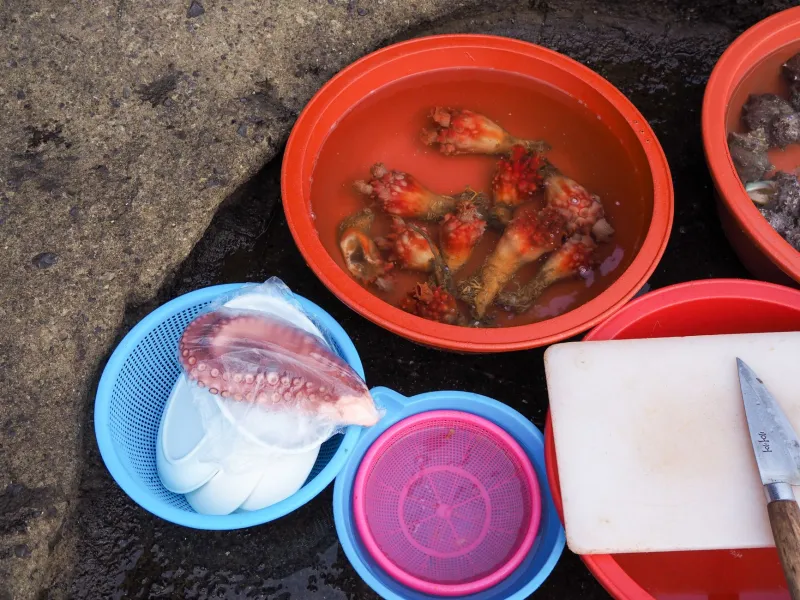
Market visits are typically the foundation. Whether it is the Ferry Building Farmers Market in San Francisco, the Pike Place Market in Seattle, or the Mercado de la Merced in Mexico City, a morning in a working food market—with a knowledgeable guide identifying producers, explaining seasonal availability, and facilitating tastings—establishes the raw-ingredient landscape of a cuisine before a single prepared dish is consumed. Travelers who begin here arrive at the dinner table with a framework for understanding what they are eating.
Cooking classes with local chefs or home cooks add a participatory dimension that passive dining cannot replicate. The act of preparing a dish—grinding spices, folding pasta, learning the correct knife technique for a regional vegetable cut—creates a physical memory that accompanies the intellectual one. Travelers who have made their own mole, rolled their own sushi, or assembled their own Georgian khachapuri remember those experiences years later with a specificity that restaurant meals rarely produce.
Farm and producer visits extend the narrative upstream, connecting finished dishes to the land, the climate, and the agricultural traditions that shape them. A visit to a Willamette Valley pinot noir producer before a dinner featuring Oregon wines transforms the meal from pleasant to illuminating. A morning at a small-batch olive oil farm in Tuscany reframes every subsequent bottle on a grocery store shelf.
Regional deep dives—dedicated time spent understanding the culinary distinctions between, say, the Yucatán Peninsula and Mexico City, or between Sichuan and Cantonese cuisine—give travelers the vocabulary to appreciate nuance rather than simply consuming variety.
The Psychology of Guided Food Experiences
There is a well-documented phenomenon in experiential psychology sometimes called the "story effect"—the tendency for experiences embedded within a narrative framework to be remembered more vividly and retained longer than isolated events. A meal that a guide has introduced with its history, its regional significance, and its personal meaning to the people who prepare it activates this effect. The traveler is not just eating; they are participating in a story.
This is why culinary tour participants consistently report that food-focused trips are among their most memorable travel experiences—not because the food was necessarily superior to what they might have found independently, but because the experience was contextualized in a way that made it meaningful rather than merely enjoyable.
Destination Profiles Worth Noting
For American travelers considering a culinary-focused itinerary, several destinations offer particularly rich structured experiences.
New Orleans remains one of the most culinarily distinctive cities in the United States, with a food culture that is simultaneously French, West African, Spanish, and entirely its own. Organized culinary tours here frequently include visits to historic French Quarter markets, hands-on Creole cooking sessions, and guided tastings of regional specialties—all of which provide layers of context that a restaurant visit alone cannot deliver.
Coastal Peru, particularly Lima, has emerged as one of the world's most compelling culinary destinations, with cevicherías, traditional markets, and a farm-to-coast agricultural tradition that structured tours navigate with particular effectiveness.
Japan's Kansai region—encompassing Osaka, Kyoto, and Nara—offers a density of culinary experience that rewards deliberate itinerary design, from early-morning tsukiji-style market tours to intimate kaiseki dinner experiences arranged through operator relationships that individual travelers cannot easily replicate.
Designing the Experience You Actually Want
Culinary travel done well requires the same deliberate planning as any other specialized itinerary. It demands attention to dietary preferences and restrictions, sensitivity to cultural protocols around food and hospitality, and—critically—access to local relationships that open doors unavailable to independent travelers.
This is where a thoughtfully assembled travel package earns its value. A tour operator with established culinary programming has already done the work of identifying the market vendor worth visiting, the cooking instructor worth learning from, and the family table worth sitting at. The traveler arrives not as a tourist searching for good food, but as a guest with an invitation.
That distinction is the difference between eating well on a trip and truly understanding a place through what it grows, cooks, and shares.