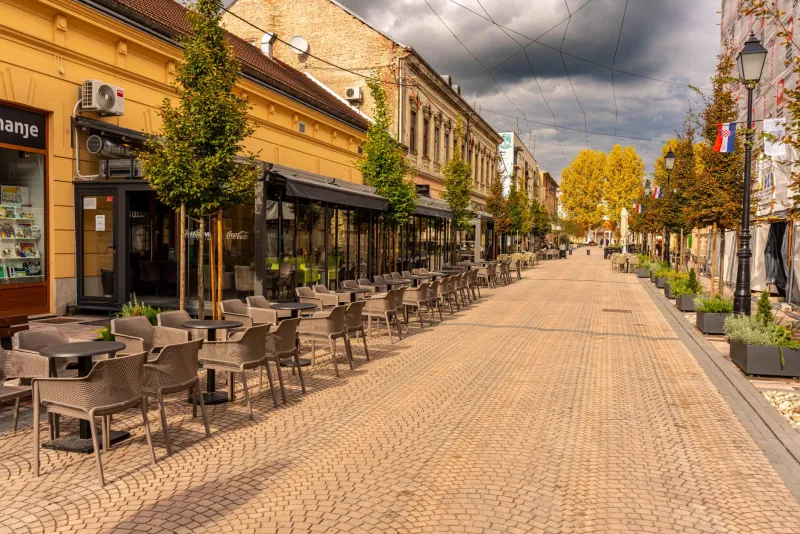
The Independent Traveler Who Loves a Good Tour: A Modern Hybrid Approach
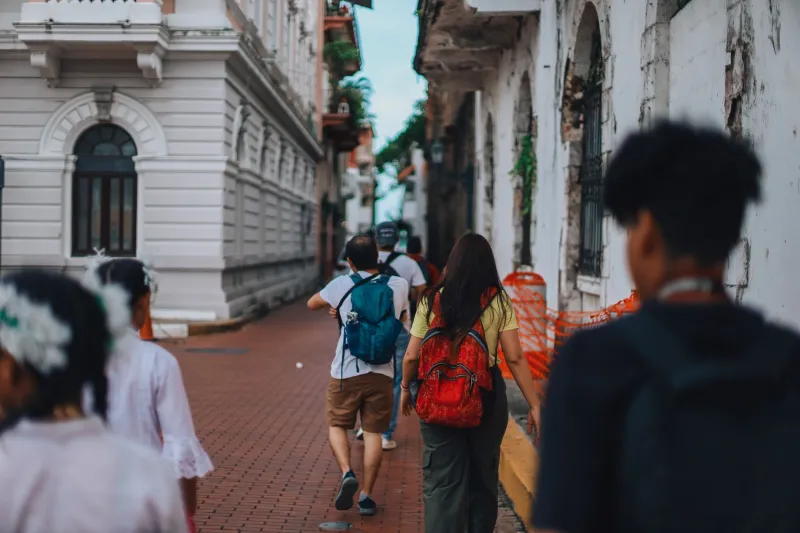
Ask a seasoned traveler whether they prefer solo exploration or guided group tours, and you may get a longer pause than expected. The honest answer, for a significant and growing segment of American travelers, is: both. Not alternately, and not reluctantly—but simultaneously, woven into a single trip that honors two seemingly contradictory instincts.
This is not a new tension. It is, however, one that the travel industry is only now addressing with the seriousness it deserves.
Two Modes, One Traveler
The appeal of solo travel is well documented. Independence, spontaneity, the freedom to linger or move on without consulting anyone else—these qualities attract millions of Americans to self-directed travel each year. Solo travelers are not necessarily introverted or antisocial. Many are simply people who want their itinerary to bend to their own curiosity rather than to a group consensus.
And yet, the appeal of organized group tours is equally real. Logistics handled by professionals. Built-in social connection with fellow travelers. Expert local guides who can decode a city's history, cuisine, and culture in ways that no guidebook fully replicates. Access to experiences—private site visits, exclusive dining arrangements, coordinated transportation across complex terrain—that are difficult or impossible to arrange independently.
The traveler who wants both is not being contradictory. They are being honest about the fact that different parts of travel satisfy different needs, and that a single format rarely addresses all of them.
How the Industry Is Responding
Tour operators have taken notice. The rigid, every-minute-scheduled group tour—the format that gave guided travel a somewhat stifling reputation among independent-minded Americans—is giving way to more flexible models. Industry terminology has shifted accordingly: phrases like "free time built in," "independent exploration afternoons," and "optional excursions" now appear regularly in tour descriptions that once would have listed every meal and activity in advance.
Some operators have gone further, designing what might be called "framework tours"—itineraries that establish the essential infrastructure of a trip (accommodations, intercity transportation, key guided experiences) while deliberately leaving large portions of each day unscheduled. Travelers arrive knowing where they will sleep and how they will get from one city to the next, but the hours in between belong to them.
This model is particularly well-suited to destinations where navigation or language barriers make independent logistics challenging, but where the street-level experience of wandering is itself a major draw. Japan is an instructive example: the train system is efficient but complex, and many travelers benefit enormously from having their rail passes, hotel check-ins, and core cultural experiences organized in advance. The afternoons spent exploring neighborhood markets or finding a ramen counter with no English menu, however, are entirely their own.
Structuring a Hybrid Itinerary
For travelers considering this approach, the design of a hybrid itinerary matters considerably. A few principles tend to produce the best outcomes:
Front-load the guided elements. Beginning a trip with structured experiences—particularly in an unfamiliar destination—builds orientation and confidence. A traveler who spends the first two days of a trip to Lisbon on a guided cultural tour arrives at their free days with genuine local knowledge rather than starting from scratch.
Identify your non-negotiables. Certain experiences genuinely benefit from expert guidance: archaeological sites, wildlife encounters, culinary deep-dives, historical neighborhoods with layered context. Others—browsing a local market, walking a coastal trail, finding a neighborhood bar—are often better experienced independently. Sorting these in advance allows for intentional scheduling rather than accidental misallocation.
Build in recovery time. One of the underappreciated advantages of group tours is that the logistics are handled. When travelers transition into independent segments of a hybrid itinerary, they sometimes underestimate how much mental energy self-directed travel requires. Leaving room for slower mornings or unscheduled afternoons prevents the free portions of a trip from becoming their own source of stress.
Choose operators that design for flexibility. Not all tour operators are equally accommodating of the hybrid model. When evaluating options, look for itineraries that explicitly include free time, optional activities, and accommodations that place you within easy reach of independent exploration rather than isolated from it.
The Social Dimension
One aspect of group travel that hybrid travelers sometimes undervalue until they experience it: the social texture of a well-matched group. Traveling with a small cohort of people who share broadly similar interests and travel styles can produce friendships and shared memories that solo travel rarely generates in the same way.
The key word is "well-matched." This is where the curation work of a thoughtful tour operator becomes genuinely valuable. Tours designed for active travelers, for culinary enthusiasts, for history-focused itineraries, or for travelers in a specific life stage (retirees, families with older children, adult groups traveling without kids) tend to produce more compatible social dynamics than generalist tours assembled purely by price point.
Hybrid travelers often find that the group portions of their trip become unexpectedly meaningful—and that the independent segments benefit from having people to compare notes with at dinner.
A Format Whose Time Has Come
At PC Tour & Travel, we have seen the demand for hybrid-friendly itineraries grow steadily among our clients. The travelers asking for this format are not indecisive. They are experienced enough to know what they want from travel and pragmatic enough to recognize that a single format rarely delivers everything.
The goal of a well-constructed hybrid itinerary is not compromise. It is optimization—giving each part of a trip the structure or freedom it actually calls for, and trusting that a traveler can hold both instincts without having to choose between them.